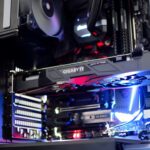



Quick, practical help for the common Event ID 41 entry: the kernel-power critical error that marks an unexpected shutdown or reboot. This guide gives clear steps you can follow right now.
- Understanding the Kernel-Power Critical Error and Event ID 41
- How to Fix a Windows Kernel Power Error: The Five Essential Steps
- Advanced fixes and prevention for recurring kernel-power error 41
- Update or roll back device drivers
- Tune power settings for testing
- Disable overclocking in firmware
- Update motherboard BIOS safely
- Verify power capacity and clean power
- Troubleshooting when the system won’t stay up
- Boot into Safe Mode to isolate drivers and third‑party software
- Prioritize data safety: recover important files before deep fixes
- Conclusion
- FAQ
- What does the “system rebooted without cleanly shutting down” message mean?
- Which hardware problems most often trigger this Event ID 41?
- What should I check in Event Viewer for more details?
- How can I update Windows and drivers using the Settings search box?
- Will disabling Fast Startup help prevent the issue?
- What are the recommended stress tests for power delivery and stability?
- Which disk and file repair commands should I run from an elevated Command Prompt?
- How do driver updates or rollbacks help when crashes recur?
- Should I disable overclocking if I see repeated unexpected restarts?
- How can I update motherboard BIOS safely?
- What power settings should I use while troubleshooting?
- How do I isolate drivers and software using Safe Mode?
- When should I consider data recovery before deeper troubleshooting?
- Is using an uninterruptible power supply (UPS) helpful?
- What if the system still reboots after following these steps?
Why it happens: faulty RAM or GPU seating, loose PSU connectors, Fast Startup, or outdated windows can trigger this critical error and force random restarts.
In plain terms, the plan focuses on diagnosing the root cause, not just treating the symptom. You’ll update the system, disable Fast Startup, reseat components, and run stress tests with OCCT. Simple software repairs—CHKDSK, DISM, and SFC in the correct order—often restore stability fast.
What you’ll gain: clear steps, practical checks for the power supply and hardware, and repeatable tests so you can confirm improvements after each change.
Understanding the Kernel-Power Critical Error and Event ID 41
Start by learning what the “rebooted without cleanly shutting down” message actually records. This entry means the system detected an unexpected shutdown on the next boot. The operating system did not complete its normal power-off sequence.
What that message means: the log flags abrupt shutdowns caused by crashes, freezes, or sudden loss of electrical supply. Event ID 41 is the pointer that an incident occurred, often with keywords like (70368744177664) and sometimes a bugcheck code.
- Common triggers include an aging power supply, loose PSU connectors, faulty RAM or GPU, Fast Startup conflicts, or outdated windows updates.
- Recognizable symptoms: random restarts, crashes after Sleep, or a blue screen with an error message.
- Open Event Viewer > Windows Logs > System and look for Kernel-Power entries with Event ID 41. Check timestamps and details to correlate events.
| Trigger | Typical Symptom | Where to Check |
|---|---|---|
| Underpowered or failing power supply | Restarts under load; shutdowns during gaming | Event Viewer details; PSU voltage tests |
| Faulty RAM or GPU | BSOD, memory errors, freezes | Memory tests; driver logs; bugcheck codes |
| Fast Startup or outdated system files | Reboots after Sleep; intermittent crashes | Power options; Windows Update and system logs |
How to Fix a Windows Kernel Power Error: The Five Essential Steps
Start with straightforward maintenance steps that eliminate common causes before chasing exotic failures.
Step 1: Press Win+I, use the Settings search box and type “Check for updates.” Download install pending patches, then restart the system to apply stability fixes.
Step 2: Open Power Options > Choose what the power buttons do > Change settings that are currently unavailable. Uncheck Turn on fast start‑up and save to force true shutdowns.
Step 3: Power off, unplug, and discharge the PC. Reseat RAM and the graphics card. Verify the 24‑pin ATX and EPS/CPU connectors and any GPU aux leads are fully latched.
Step 4: Run an OCCT Power test (Test Configuration: Power; Instruction Set: Auto). Close other apps and run at least one hour; most instability appears within minutes. If faults show, swap in a known‑good power supply.
Step 5: Open an elevated Command Prompt from the Start menu. Run chkdsk /r, then DISM /online /cleanup-image /restorehealth, and finish with sfc /scannow. Restart when complete.
Verify after each step so you don’t mask the root cause. For deeper reading, see this fix guide.
Advanced fixes and prevention for recurring kernel-power error 41
Persistent restarts call for driver audits, firmware checks, and power validation. Start by isolating recent changes that could cause this critical event.
Update or roll back device drivers
Refresh or revert drivers for the GPU, chipset, and sound card if the problem began after an update. Download install drivers from the device manufacturer site or use Device Manager to roll back recent drivers.
Tune power settings for testing
Temporarily set Hard disk > Turn off hard disk after = Never and Sleep > Sleep after = Never in Advanced Power Settings. This removes transition events while you test stability.
Disable overclocking in firmware
Enter UEFI/BIOS and return CPU, memory, and GPU clocks to stock profiles. That ensures stable voltages and removes margin-related crashes.
Update motherboard BIOS safely
Check System Information for your board and current BIOS version. Follow the manufacturer’s update guide exactly and avoid interruptions during the download install process.
Verify power capacity and clean power
Match your system draw to a reputable power supply with headroom. Intermittent reboots under load often trace back to aging rails or insufficient wattage.
Consider a UPS to buffer brownouts and spikes that may cause sudden shutdowns.
- Reboot and retest after each change and note whether the event logs stop.
- Keep device drivers and firmware aligned to reduce incompatibilities after system updates.
| Action | Why it helps | Where to check |
|---|---|---|
| Driver update or rollback | Removes incompatible software that can trigger Event ID 41 | Device Manager; manufacturer support pages |
| Power settings: Never for Sleep/Hard disk | Eliminates power transitions during testing | Control Panel > Power Options > Advanced settings |
| Disable overclocking | Stabilizes voltages and clock speeds | UEFI/BIOS performance or OC menu |
| BIOS firmware update | Fixes chipset and compatibility issues | System Information; motherboard manufacturer’s site |
| Upgrade PSU or add UPS | Provides stable, adequate power under load and during outages | Power supply specifications; UPS vendor recommendations |
Troubleshooting when the system won’t stay up
If the computer shuts down every time it starts, use a safe, minimal boot to narrow the cause. Safe Mode loads core services only and helps isolate bad device drivers or third‑party tools.
Boot into Safe Mode to isolate drivers and third‑party software
Enter Safe Mode from the start menu recovery options or by interrupting startup three times. Once inside, uninstall or roll back recent card or driver updates that match the time the critical error began.
Prioritize data safety: recover important files before deep fixes
Protect your files first. If normal boot fails, create bootable recovery media with a trusted tool and copy essential documents before running repairs that touch the disk.
- If the PC reboots every time, use Safe Mode to disable suspect device drivers and apps.
- Run Windows Memory Diagnostic (type mdsched.exe in the start menu) and choose “Restart now and check for problems.”
- In Safe Mode, open Event Viewer, note timestamps, and match entries to recent actions so you can fix problem areas methodically.
- For boot loops, use recovery options’ elevated command prompt to run DISM, then sfc /scannow to repair system files.
- Keep the system on stable power while troubleshooting; if the power supply looks weak, limit load and test again.
| Action | Why it helps | Where to check |
|---|---|---|
| Safe Mode uninstall/rollback | Removes faulty drivers that trigger the kernel-power error | Device Manager; Programs & Features |
| Bootable recovery for data | Prevents data loss before disk repairs | USB recovery media; file explorer in recovery |
| Windows Memory Diagnostic | Detects RAM faults that cause random reboots | mdsched.exe; Event Viewer results after reboot |
When the system is stable in Safe Mode, restart system normally and verify crashes stop outside the minimal environment.
Conclusion
Wrap up by methodically confirming fixes and ruling out power or driver faults.
The Kernel-Power 41 entry means the system rebooted without cleanly shutting first. Start with updates, disable Fast Startup, reseat RAM and GPU, and verify PSU connections.
Run OCCT stress tests and use CHKDSK, DISM, then SFC in that order to repair files. If the error message persists, check recent device drivers and firmware changes.
For stubborn cases, update BIOS and size the PSU or add a UPS. Document every change and retest so you can search history later and fix problem causes without guessing.
For a focused walkthrough on this topic, see this guide for fix kernel-power 41: kernel-power 41 troubleshooting.
FAQ
What does the “system rebooted without cleanly shutting down” message mean?
This message comes from the Event Viewer as a Kernel-Power critical event (Event ID 41). It means Windows detected an unexpected shutdown or restart without a proper shutdown sequence. Common causes include sudden power loss, hardware faults, driver crashes, or corrupted system files. Check the Event Viewer for timestamps and linked errors to narrow the cause.
Which hardware problems most often trigger this Event ID 41?
Power delivery issues top the list: failing power supply units, loose PSU-to-motherboard cables, and faulty wall outlets. Defective RAM or graphics cards can also cause unexpected restarts. Overheated components or unstable overclocks may produce the same behavior. Reseating cards, running memtest86, and verifying PSU output help identify hardware faults.
What should I check in Event Viewer for more details?
Open Event Viewer and look under Windows Logs → System for Kernel-Power entries. Note the Event ID (41), level (Critical), and the exact timestamp. Also review Application and System logs for driver errors, thermal events, or disk faults that occurred just before the Kernel-Power entry. Those clues point toward the root cause.
How can I update Windows and drivers using the Settings search box?
Type “Check for updates” into the search box on the taskbar, open Windows Update, and install available patches. For drivers, use Device Manager or visit the hardware maker’s website (NVIDIA, AMD, Intel, Realtek, ASUS, MSI, Gigabyte, Dell, HP) to download the latest chipset, GPU, and audio drivers. Reboot after installs to apply changes.
Will disabling Fast Startup help prevent the issue?
Yes. Fast Startup uses a hybrid hibernate state that can leave driver or power states inconsistent. Disable it via Control Panel → Power Options → Choose what the power buttons do → Change settings that are currently unavailable → uncheck Turn on fast startup. Restart and monitor for improvements.
What are the recommended stress tests for power delivery and stability?
Use OCCT or similar utilities to stress CPU, GPU, and PSU. Monitor voltages and temperatures during the test. If the system crashes or voltages fluctuate beyond acceptable ranges, the PSU may be failing. If possible, swap in a known-good PSU with adequate wattage to confirm the diagnosis.
Which disk and file repair commands should I run from an elevated Command Prompt?
Open Command Prompt as administrator. Run chkdsk /f on the affected drive and schedule a reboot if prompted. Then run DISM /Online /Cleanup-Image /RestoreHealth followed by sfc /scannow. These repair corrupted system files and component store issues that can cause unstable behavior.
How do driver updates or rollbacks help when crashes recur?
A recent driver can introduce instability; rolling back restores the previous known-good version. Conversely, outdated drivers may lack fixes. Update GPU, chipset, and audio drivers first. If instability begins after a driver update, use Device Manager to roll back or reinstall the previous package from the vendor’s support site.
Should I disable overclocking if I see repeated unexpected restarts?
Absolutely. Overclocked CPU, GPU, or RAM can force unstable voltages and timing that lead to abrupt reboots. Reset UEFI/BIOS settings to default or explicitly disable XMP and manual overclocks, then test stability under normal clocks and voltages.
How can I update motherboard BIOS safely?
Visit the motherboard manufacturer’s support page (ASUS, MSI, Gigabyte, ASRock, Dell, HP) and download the latest BIOS for your exact model. Follow the vendor’s flashing instructions precisely, use a reliable power source or UPS, and avoid interrupting the update. A failed BIOS flash can render the board unusable.
What power settings should I use while troubleshooting?
For testing, set sleep and hard disk timeouts to Never in Power Options to eliminate sleep-related restarts. Use High Performance or create a custom plan that keeps core components active. Revert to energy-saving profiles after you confirm stability.
How do I isolate drivers and software using Safe Mode?
Boot into Safe Mode (hold Shift while selecting Restart → Troubleshoot → Advanced options → Startup Settings → Restart → choose Safe Mode). Safe Mode loads minimal drivers. If the system stays up there, a third-party driver or service likely causes the reboots. Use Device Manager and Autoruns to disable suspects.
When should I consider data recovery before deeper troubleshooting?
If the system crashes frequently or won’t boot reliably, prioritize backing up important files. Use Safe Mode, Windows Recovery Environment, or a Linux live USB to copy data to an external drive. This prevents data loss during hardware swaps, BIOS updates, or OS repairs.
Is using an uninterruptible power supply (UPS) helpful?
Yes. A UPS provides clean, stable power and protects against surges and brief outages that can trigger unexpected restarts. It also gives time to shut down safely during extended brownouts, reducing recurrence of Event ID 41 incidents.
What if the system still reboots after following these steps?
If problems persist, document timestamps and recent events from Event Viewer, note any hardware changes, and contact the PC or component manufacturer for deeper diagnostics. In-lab testing by a technician can reveal intermittent faults that are hard to reproduce at home.