

The world faces a massive storage crisis that could stretch until 2035. Pua Khein-Seng, CEO of Phison Electronics, has issued a stark warning about NAND flash memory shortages. This isn’t your typical annual supply squeeze – the shortage could persist for an entire decade according to one of the industry’s most influential leaders.
The perfect storm is brewing
Multiple factors are creating unprecedented demand for NAND flash memory. Artificial intelligence data centers are consuming storage at rates never seen before. Cloud companies spent billions on AI training hardware in recent years. Now they’re shifting focus to AI inference – the process of actually running those trained models for users.
This shift changes everything. AI inference requires massive amounts of “nearline” storage – a middle ground between super-fast hot storage and slow cold storage. Think of it as warm storage that sits between the two extremes. Companies need this to store model versions, user queries, and data that isn’t accessed constantly but must remain readily available.
“Since 2022, cloud companies have been scrambling to secure GPUs, mainly to train models. Training uses HBM and has little to do with flash. Now those models appear to have matured. After burning through so much capital, how will cloud companies make money back? Through inference”, explains Pua.
The numbers are staggering
Data centers are rapidly abandoning traditional hard drives for solid-state storage. In 2020, SSDs represented only a few percent of data center storage. By 2025, that figure has jumped to around 20%. Pua predicts this will reach 80-100% by the end of the decade.
The storage requirements are mind-boggling. A single AI server needs over 3TB of memory and petabyte-level storage capacity. When you multiply this across thousands of servers in massive data centers, the storage demands become astronomical. Global cloud vendors have increased their capital expenditures by more than 50% year-over-year to meet these needs.
“To make money, you need users. Users create data. Data needs to be stored. Which means data centers must expand storage for the next decade. After all, a data center’s core function is storage”, Pua noted during his interview with Taiwanese CommonWealth Magazine.
Prices are already skyrocketing
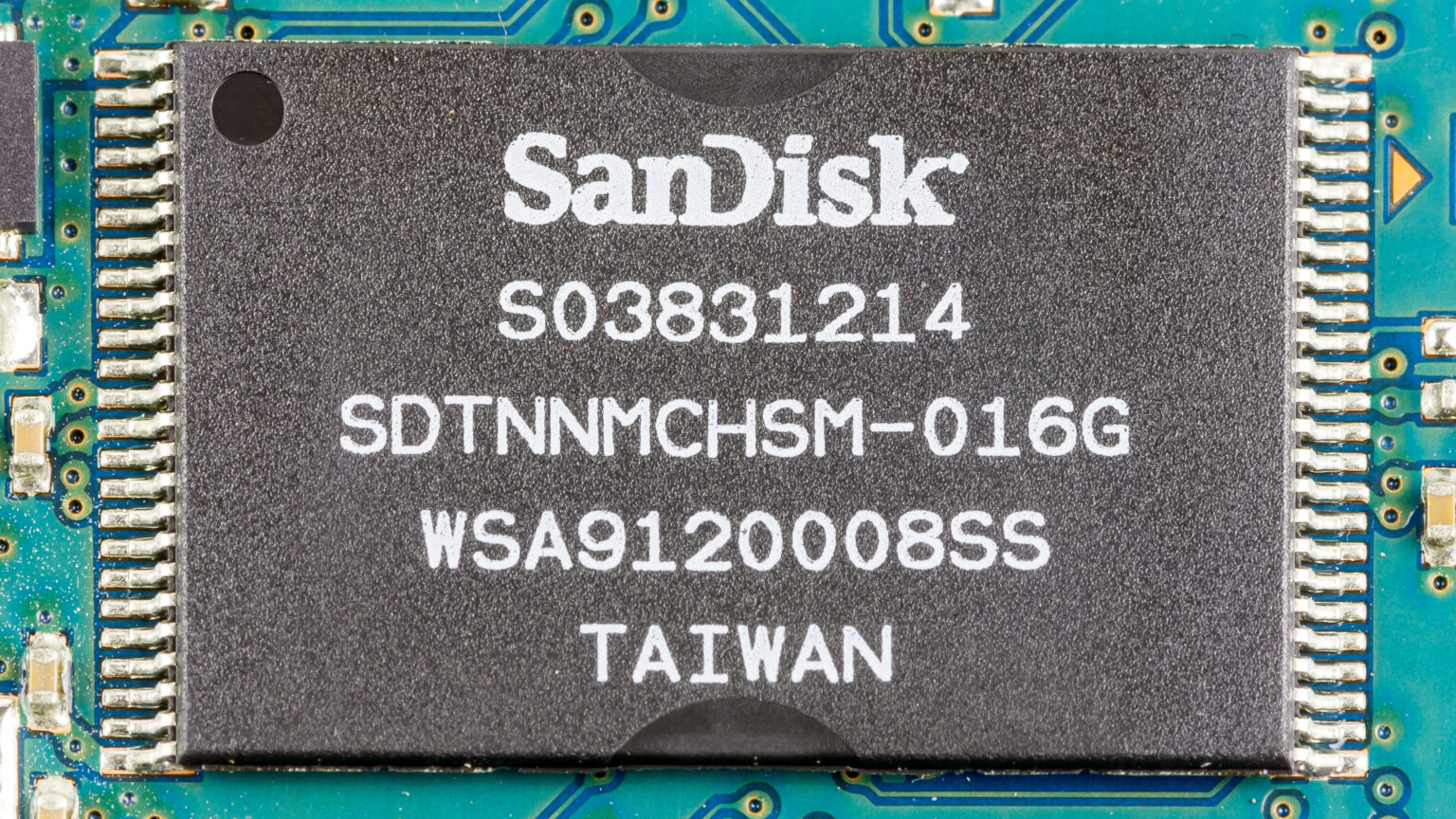
The effects are already visible in consumer markets. NAND flash prices have surged 15-20% in the fourth quarter of 2025 alone. SanDisk announced price increases exceeding 10% for all consumer products. Micron temporarily suspended price quotations due to overwhelming demand and capacity constraints.
Contract prices for enterprise storage have jumped even higher. High-capacity 3D NAND products are nearly sold out months in advance. Samsung’s next-generation V9 NAND chips for 2026 are already almost completely reserved by cloud customers before they even launch.
The price increases aren’t limited to enterprise customers. Consumer SSD prices are expected to rise 5-10% through the end of 2025. Even budget-friendly QLC SSDs – typically the cheapest option – are seeing significant price hikes due to supply shortages.
Investment cutbacks created the crisis
The shortage stems from years of reduced investment in NAND production capacity. From 2019 to 2020, manufacturers slowed spending as prices collapsed and companies struggled to recover their investments. This created a vicious cycle where reduced capacity led to tighter supply.
The situation worsened in 2023 when major producers like Micron and SK Hynix redirected massive capital expenditures toward HBM (High Bandwidth Memory) production. HBM offers much higher profit margins than traditional NAND flash, making it more attractive for manufacturers. However, this shift left even less investment available for NAND production.
“In the past, every time flash makers invested more, prices collapsed, and they never recouped their investments. So companies slowed spending starting around 2019-2020. Then in 2023, Micron and SK Hynix redirected huge CapEx into HBM because the margins were so attractive, leaving even less investment for flash”, Pua explained.
The memory supercycle begins
Industry analysts describe the current situation as a “memory supercycle” – a prolonged period where demand consistently outstrips supply. Unlike typical one-year supply squeezes, this cycle could extend far longer due to structural changes in how we use and store data.
The shift toward AI applications creates fundamentally different storage patterns. Traditional applications might access data occasionally, but AI inference requires constant data movement and processing. Large language models need to access training data, user interactions, and model parameters continuously.
Morgan Stanley analysts predict DRAM operating margins will climb from the current 40-50% range to nearly 70% in 2026. NAND margins are expected to break out from breakeven to 30-40% profitability. These numbers haven’t been seen since the last major memory supercycle in 2017.
DDR4 memory faces similar pressures
The crisis extends beyond NAND flash to other memory types. DDR4 memory prices have spiked by around 50% since May 2025. Leading manufacturers like Samsung, Micron, and SK Hynix are winding down DDR4 production to focus on newer DDR5 and HBM technologies.
This creates an unusual situation where older DDR4 memory sometimes costs more than newer DDR5 modules. Supply is dropping faster than demand, creating an imbalance that drives prices higher. Industrial and embedded systems that still require DDR4 face both higher costs and longer lead times.
The automotive sector faces particular challenges. Automotive DRAM prices have increased as much as 70% in recent months. Car manufacturers typically use older, well-tested memory technologies rather than cutting-edge chips. This dependence on legacy memory types makes them vulnerable to supply shortages.
Global supply chain implications
The memory shortage affects virtually every electronic device. Smartphones, computers, graphics cards, and even seemingly simple devices like monitors and headphones all rely on NAND flash storage. As component prices rise, consumers can expect higher prices across all electronics categories.
Raspberry Pi recently raised prices due to memory costs. The 4GB Compute Module versions increased by $5, while 8GB models rose by $10. CEO Eben Upton noted that memory costs roughly 120% more than a year ago. This small computer maker’s experience reflects broader industry challenges.
Manufacturing capacity constraints compound the problem. Building new semiconductor fabs requires enormous capital investments and years of construction time. Even if companies decided to invest heavily in new NAND production today, the additional capacity wouldn’t come online until 2027 or later.
The strategic response varies
Different manufacturers are pursuing varying strategies to address the shortage. Some companies are securing supply years in advance through long-term contracts. Hyperscale cloud providers are buying directly from memory manufacturers to guarantee allocation.
Chinese memory manufacturers have generally shifted away from DDR4 production toward newer technologies. However, Samsung and SK Hynix have unexpectedly extended DDR4 production due to high profit margins. The older memory standard has become surprisingly profitable as supply tightens.
Smaller companies without massive purchasing power face the greatest challenges. They encounter longer lead times and steeper prices while competing with deep-pocketed cloud giants for limited supply. This dynamic could accelerate industry consolidation as smaller players struggle with component costs.
Looking toward 2035
Pua’s ten-year shortage prediction represents one of the most pessimistic forecasts in the industry. Most analysts typically discuss memory cycles in terms of one to two years. However, the structural shift toward AI applications and the time required to build new production capacity support longer-term supply concerns.
The shortage timeline depends heavily on several factors. New fab construction, capacity migration to advanced processes, and the pace of AI adoption will all influence how long shortages persist. If AI growth accelerates faster than expected, demand could outstrip supply for even longer periods.
Climate and regulatory considerations add another layer of complexity. New fabs require enormous amounts of electricity and water, making site selection increasingly challenging. Environmental regulations and community concerns could slow the approval and construction of new production facilities.
What consumers should expect
The era of cheap storage upgrades appears to be ending. SSD prices that fell to historic lows in 2023 are now climbing steadily higher. High-capacity drives and premium NVMe SSDs face the steepest price increases as enterprise customers compete for the same components.
Memory upgrades will become more expensive across all categories. DDR4, DDR5, and specialized memory types all face supply constraints and rising prices. Computer builders and upgraders should expect to pay significantly more for memory components over the coming years.
The situation creates both challenges and opportunities. While consumers face higher prices, companies that successfully navigate the shortage could gain competitive advantages. Businesses that secure reliable supply chains and optimize their storage usage will be better positioned than those caught unprepared.
“NAND will face severe shortages next year. I think supply will be tight for the next ten years”, Pua concludes. Whether his decade-long timeline proves accurate, the memory industry clearly faces unprecedented challenges that will reshape technology costs for years to come.